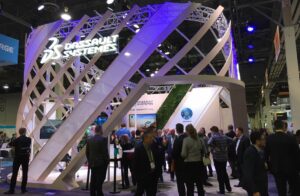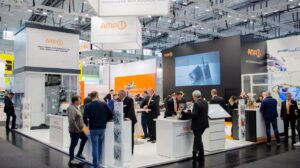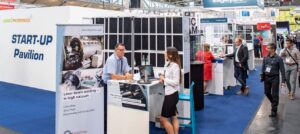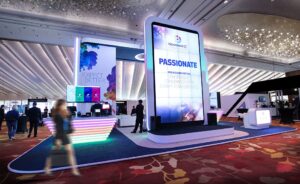

Going to a trade show for the first time can be a lot to take in. Going to a trade show for the first time can be a lot to take in. As a director, founder, or brand manager, you know what you need to do: make a lasting impression and build real relationships that help your business grow. As a director, founder, or brand manager, you know what you need to do: make a lasting impression and build real relationships that help your business grow.
But where do you start?
Your exhibition stand is more than just a building; it’s the most important part of your trade show strategy and a physical representation of your brand’s unique story. Your exhibition stand is more than just a building; it’s the most important part of your trade show strategy and a physical representation of your brand’s unique story.
In a busy exhibition hall, your booth is your first handshake, your silent salesperson, and the main way you get people to pay attention to you. A banner and a table aren’t enough to cut through the noise. It takes a planned approach to design that fits with your brand and business goals. To make a layout that looks good and works well, it’s important to know the basic rules of space planning. This will help people move around and interact with each other.
Understanding the foundational principles of space planning is crucial for creating a layout that is both visually appealing and highly functional, encouraging attendee flow and interaction.
This guide goes beyond giving general advice by listing 7 effective Expo Stand Designs. Our discussion will focus on the strategic thought behind each style, from interactive technology to eco-friendly materials, providing exhibitors useful information and suggestions they can use. Our goal is to help you choose a design that will get people’s attention and make sure your first show is a huge success.
7 effective Expo Stand Designs
1. Interactive Technology-Driven Stands
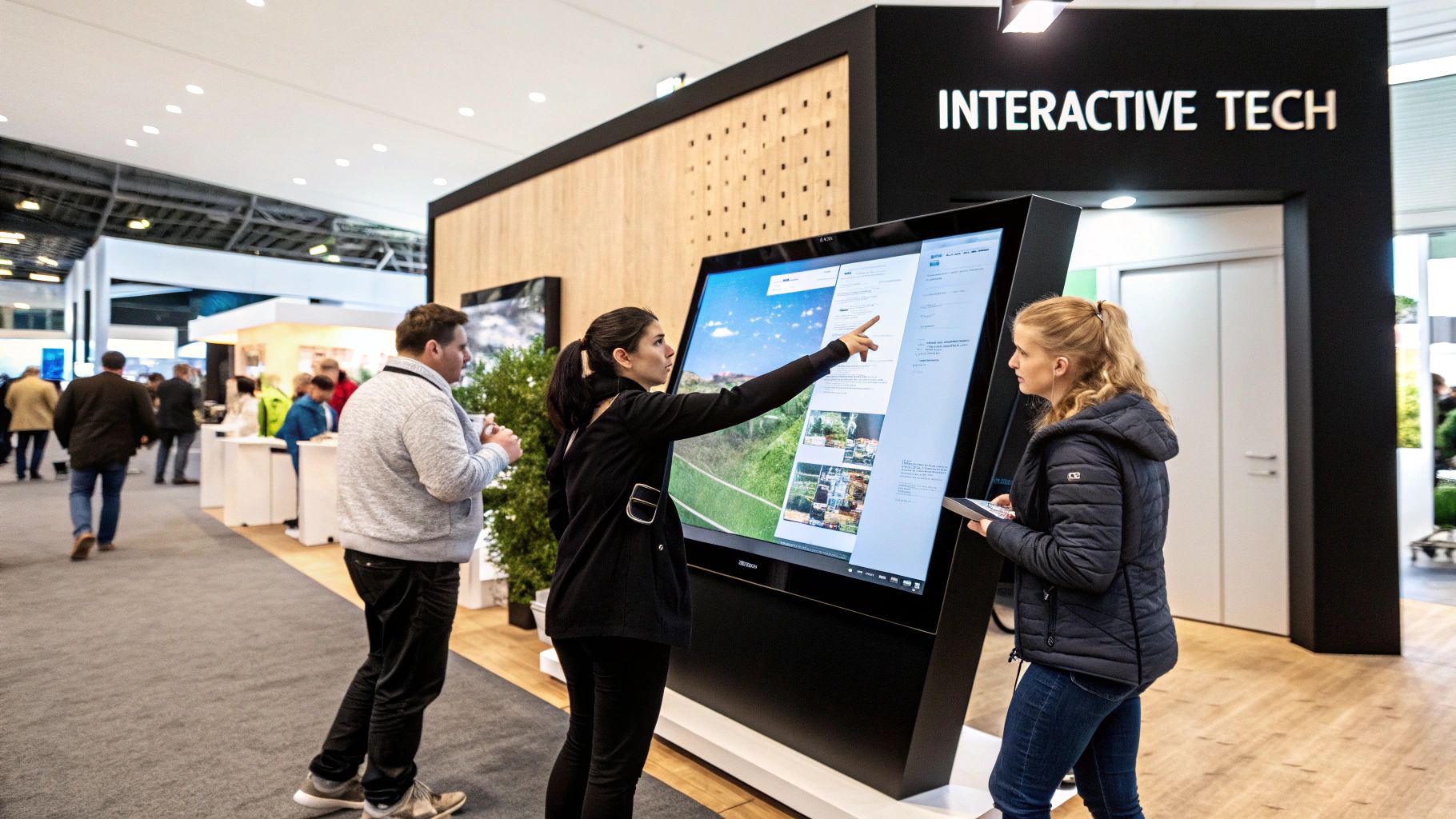
Interactive technology-driven stands turn a booth that is usually just sitting there into an active, immersive brand playground. These expo stand designs let visitors experience your brand firsthand instead of just telling them about your products. You can make an event that people will remember by using things like big touchscreens, virtual reality (VR), augmented reality (AR), and gamified challenges. This method changes the dynamic from a one-way presentation to a two-way conversation, with user engagement driving it.
These stands are particularly effective for demonstrating complex products or services that are difficult to explain with static displays. Imagine a software company allowing visitors to interact with a live data dashboard or an automotive brand offering a thrilling virtual test drive. The goal is to create a “wow” factor that draws crowds and generates significant social media buzz.
Why This Approach Works
Technology-driven stands excel at cutting through the noise of a busy exhibition hall. They offer a novel experience that satisfies attendees’ curiosity and encourages them to stay longer. This extended dwell time provides more opportunities for your team to initiate meaningful conversations and qualify leads. The hands-on nature of the interaction also helps improve brand recall long after the event has concluded. For a deeper look into the possibilities, you can learn more about exhibition stand technology on ucon.com.au.
Actionable Implementation Tips
To successfully execute a technology-focused stand, meticulous planning is key.
- Prioritise Reliability: Ensure you have dedicated, high-speed internet and a solid backup plan. Nothing dampens engagement faster than a frozen screen or a faulty VR headset.
- Keep it Intuitive: Design interactions that are simple and easy to understand for all attendees, regardless of their technical proficiency. Avoid complex instructions.
- Have Tech Support On-Site: A dedicated technician should be present to troubleshoot any issues immediately, ensuring a seamless visitor experience.
- Balance Tech and Message: The technology should amplify your brand message, not overshadow it. Ensure your core value proposition is clear and integrated into the experience.
- Test Extensively: Before the event, run multiple full-scale tests of all hardware and software to work out any bugs and refine the user journey.
2. Minimalist Scandinavian Design
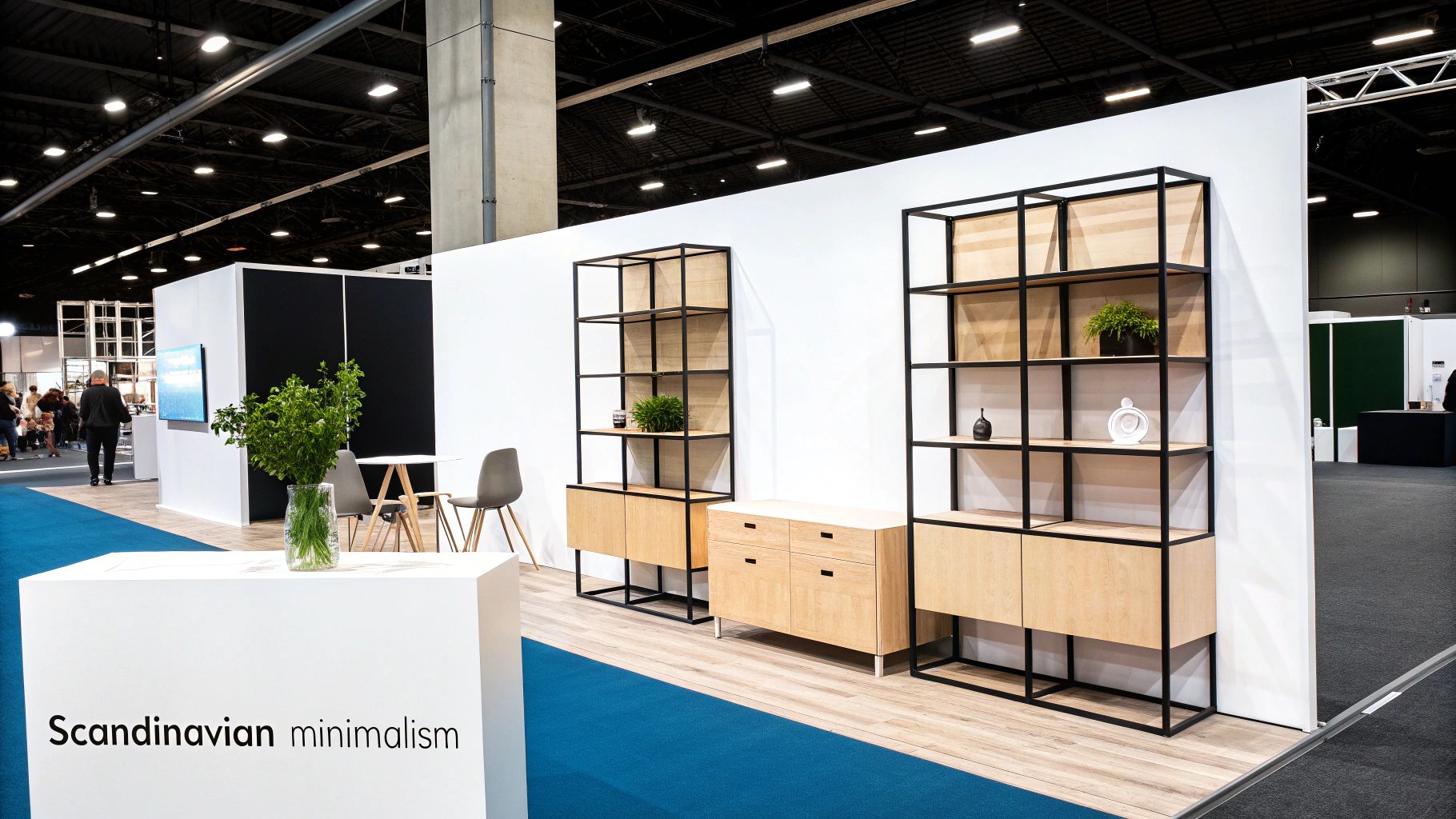
Minimalist Scandinavian design offers a refreshing antidote to the sensory overload common in bustling exhibition halls. This approach is characterised by clean lines, neutral colour palettes, functional furniture, and the strategic use of white space. The core philosophy is “less is more,” creating a sophisticated and calming environment that allows your products and key messaging to take centre stage without distraction. It’s an intentional choice to prioritise clarity and quality over clutter.
This style is perfect for brands that want to convey elegance, precision, and high-quality craftsmanship. Think of premium B2B service providers, high-end consumer goods, or design-led technology firms. The design itself communicates confidence, suggesting that the product is so compelling it doesn’t need flashy gimmicks to attract attention.
Why This Approach Works
In a loud and visually chaotic environment, a minimalist stand acts as a peaceful oasis, naturally drawing in attendees seeking a moment of calm. This sophisticated simplicity makes a powerful statement and helps your brand appear more approachable and premium. The uncluttered layout encourages focused conversations, as visitors can easily navigate the space and engage directly with your products and team. For more inspiration, you can explore a gallery of powerful exhibition stand design ideas on ucon.com.au.
Actionable Implementation Tips
Successfully creating a minimalist expo stand design requires careful attention to detail.
- Invest in Quality Materials: With fewer elements on display, the quality of each one is magnified. Use premium woods, metals, and fabrics to communicate excellence.
- Use Texture for Warmth: To avoid a cold or sterile feel, incorporate natural textures like light-toned wood, wool, and linen. This adds depth and a sense of welcome.
- Focus on Impeccable Lighting: Lighting is crucial in a minimalist design. Use a mix of ambient, task, and accent lighting to highlight products and create a bright, inviting atmosphere.
- Be Strategic with Colour: Stick to a neutral base palette (whites, greys, beiges) and introduce one or two muted accent colours to guide the eye and reinforce your brand identity.
- Prioritise Product Presentation: Every product should be displayed with purpose, like an artwork in a gallery. Ensure there is ample space around each item to draw attention to it.
3. Sustainable and Eco-Friendly Stands
Sustainable and eco-friendly stands move beyond aesthetics to communicate a brand’s commitment to corporate responsibility. These expo stand designs are built with environmental consciousness at their core, utilising recycled or renewable materials, energy-efficient lighting, and modular components designed for disassembly and reuse. By adopting this approach, you demonstrate that your brand’s values extend to every aspect of its operations, creating a powerful and authentic connection with an increasingly eco-aware audience.
This method transforms your exhibition space into a tangible representation of your green credentials. For a brand in the B Corp space or natural consumer goods industry, a booth built from reclaimed wood and powered by low-energy LEDs becomes a powerful narrative tool. The goal is to create an inspiring space that not only looks great but also tells a compelling story about your commitment to the planet, making your brand more relatable and respectable.

Why This Approach Works
In a crowded exhibition hall, a sustainable stand offers a distinct point of difference. It appeals directly to the values of many modern consumers and business partners, acting as a natural conversation starter and attracting visitors who share a similar ethos. This alignment can lead to more meaningful connections and stronger business relationships. Furthermore, communicating your sustainability efforts publicly reinforces your brand’s integrity and can generate positive press, setting you apart as a forward-thinking leader in your industry.
Actionable Implementation Tips
Successfully creating an impactful eco-friendly stand requires careful planning and a focus on the entire lifecycle of your materials.
- Design for Disassembly: From the outset, plan your stand to be easily taken apart, stored, and reassembled for future events. This modular approach drastically reduces waste.
- Prioritise Sustainable Materials: Opt for materials with a low environmental impact, such as bamboo, reclaimed wood, recycled aluminium, and fabrics made from recycled plastics.
- Document and Communicate: Clearly label the sustainable materials and practices used in your stand. Use small signs or a dedicated graphic panel to tell your eco-story.
- Partner with Certified Suppliers: Work with builders and suppliers who are certified for their sustainable practices to ensure your entire supply chain is environmentally responsible.
- Reduce Energy Consumption: Use LED lighting, which consumes significantly less power than traditional options, and power down all non-essential electronics overnight.
4. Double-Deck Multi-Level Stands
Double-deck or multi-level stands are the architectural powerhouses of the exhibition world, designed to maximise impact by building upwards. These sophisticated expo stand designs literally elevate a brand’s presence, creating a two-storey structure on a single floor plan. This approach allows exhibitors to separate functions, using the ground floor for high-traffic product demonstrations and general engagement, while reserving the upper level for exclusive activities like VIP meetings, a hospitality lounge, or private product viewings.
This design strategy is about more than just adding space; it’s a statement of market leadership and ambition. Major brands in automotive or enterprise software use these structures to create an immersive brand world that feels permanent and commanding. The sheer scale makes the stand a landmark on the exhibition floor, drawing attendees in from a distance and conveying a sense of prestige and substance.
Why This Approach Works
In a crowded event hall where every exhibitor is competing for attention at eye level, a double-deck stand instantly breaks the mould. It offers a significant practical advantage by doubling the usable square meterage without increasing the expensive floor space rental. This separation of space allows for a more controlled visitor journey; a bustling, energetic ground floor can exist without disrupting focused, high-value conversations happening just a few metres above. This functional and visual dominance makes the stand unforgettable.
Actionable Implementation Tips
Building a multi-level stand requires significant planning and investment.
- Verify Venue Regulations: Before any design work begins, confirm the venue’s regulations on height restrictions, weight loads, and fire safety for two-storey structures.
- Invest in Professional Engineering: Safety is paramount. Always work with experienced stand builders and structural engineers who specialise in double-deck designs to ensure complete compliance and stability.
- Plan for Accessibility: Ensure your design is inclusive. Regulations often require accessibility to upper levels, which may mean incorporating a lift or an accessible staircase.
- Design for Visitor Flow: Create clear and intuitive wayfinding. Use signage and smart design to guide visitors effortlessly between levels and prevent bottlenecks on the stairs.
- Consider Acoustic Separation: Use appropriate materials and design elements to create acoustic isolation between the noisy ground floor and the quieter upper deck to facilitate effective meetings.
5. Modular and Flexible System Stands
Modular and flexible system stands offer a highly practical and sustainable approach to exhibition design. These stands are constructed from standardised, interlocking components that can be reconfigured, expanded, or downsized to fit different spaces and event objectives. This “building block” method provides a consistent and professional brand presentation while delivering unparalleled flexibility and long-term cost-efficiency for businesses that exhibit regularly.
This approach is perfect for companies looking to maximise their return on investment across a calendar of events. For instance, a tech startup might use a compact configuration for a local industry meetup and expand the same system into a larger, more elaborate design for a major international trade show. This practical approach is ideal for any brand manager balancing budget with the need for a polished, consistent presence.
The following summary box highlights the core advantages of adopting modular expo stand designs for your exhibition strategy.
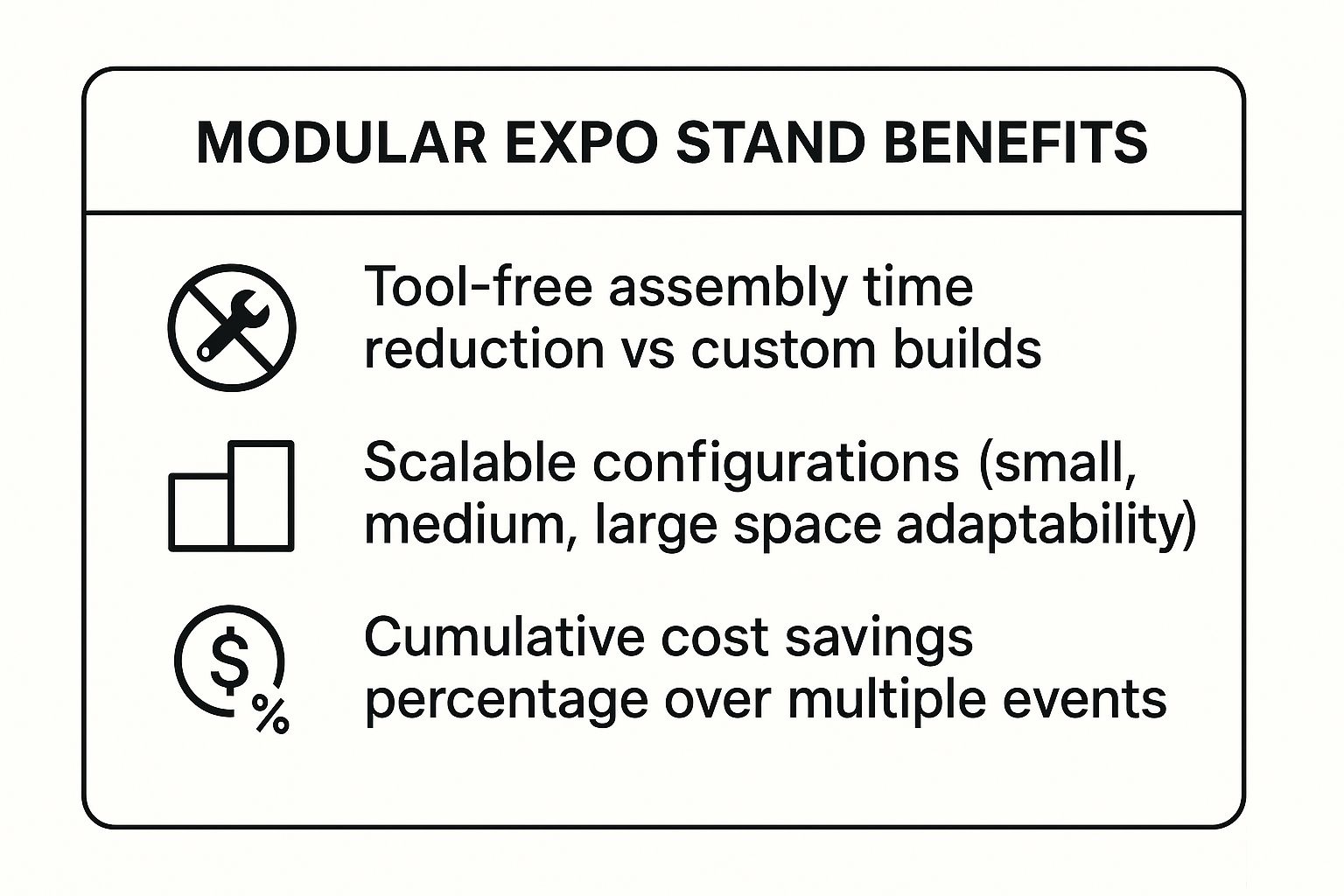
As the data shows, the benefits extend beyond simple adaptability, offering tangible savings in both time and budget over the lifespan of the system.
Why This Approach Works
The primary advantage of modular systems is their inherent scalability and reusability. Instead of commissioning a new custom build for every event, you invest in a core set of components that can be adapted for years. This drastically reduces per-event costs, logistical complexity, and environmental waste. The predictable nature of these systems also simplifies planning and execution, allowing your team to focus on engagement rather than construction. For a deeper understanding of the construction process, you can explore more about exhibition stand building on ucon.com.au.
Actionable Implementation Tips
To get the most out of a modular system, a strategic approach to management is essential.
- Invest in a Quality Base System: Choose a high-quality, durable system from a reputable provider. The initial investment will pay off in longevity and reliability.
- Create Configuration Guides: Develop detailed visual plans or “blueprints” for different booth sizes (e.g., 3x3m, 6x3m). This ensures consistency and speeds up assembly on-site.
- Maintain a Detailed Inventory: Use a spreadsheet or inventory management tool to track every component. This prevents missing parts and helps in planning for new configurations.
- Plan Graphics Refresh Cycles: Keep the stand looking fresh by updating the graphic panels. Budget for new graphics every 12-24 months to reflect new campaigns or branding updates.
- Train Your Team on Assembly: Ensure multiple team members are trained on how to assemble and dismantle the stand. This avoids reliance on a single person and makes setup more efficient.
6. Immersive Themed Experience Stands
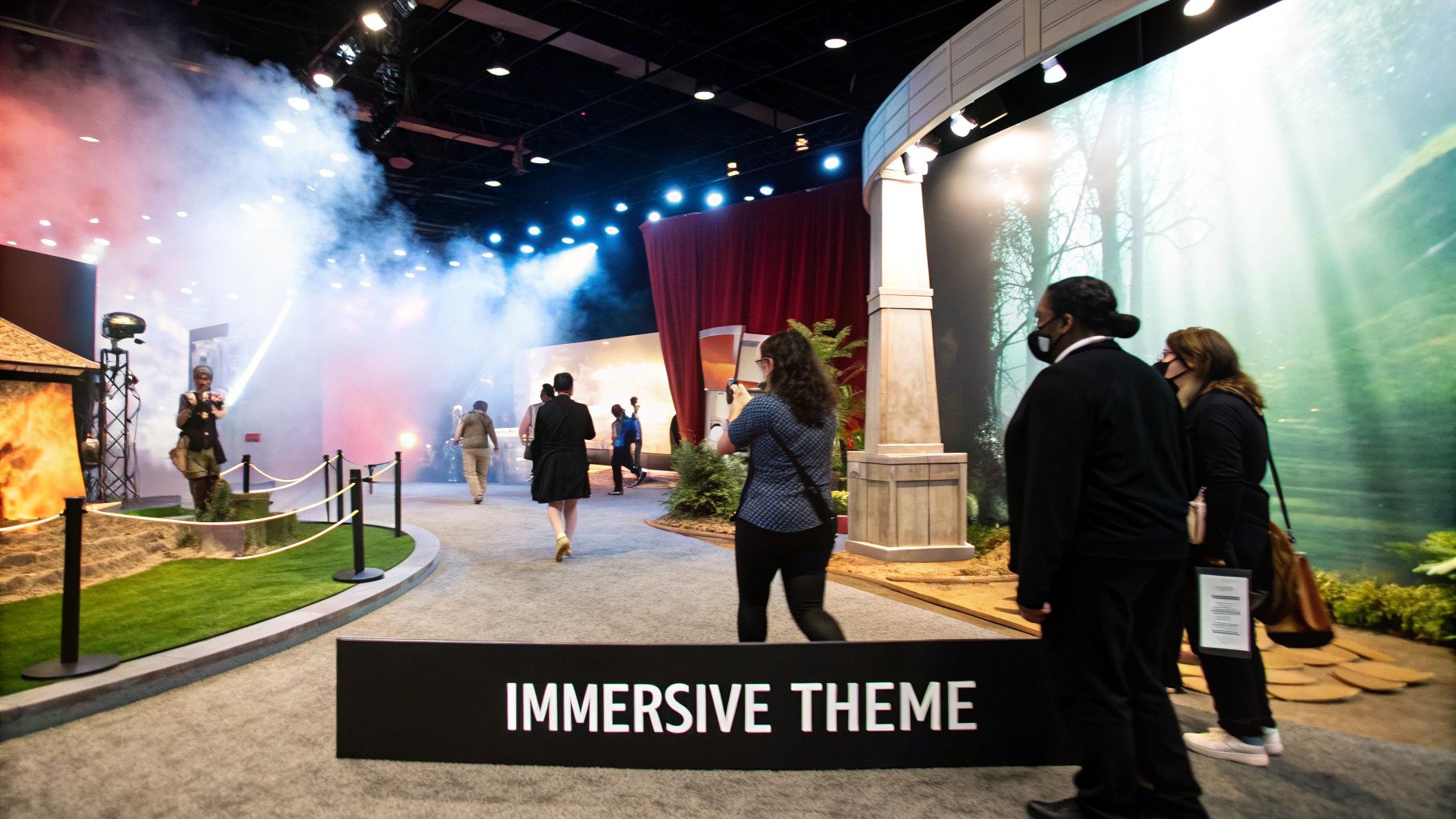
Immersive themed experience stands go beyond simple product displays by transporting visitors into a carefully crafted brand world. These expo stand designs use narrative-driven layouts, theatrical design, and sensory elements like custom lighting and soundscapes to create a memorable journey. Instead of just seeing a brand, attendees feel it, live it, and become part of its story. This approach is about creating a complete, 360-degree environment that fully envelops visitors from the moment they step inside.
Consider a beverage company creating a tropical beach bar to launch a new drink, or a cybersecurity firm designing a “hacker’s lair” where visitors solve a puzzle to win a prize. The goal is to build an emotional connection that standard booths simply cannot achieve, making your brand the most talked-about presence at the event.
Why This Approach Works
Themed stands are powerful because they tap into the human desire for storytelling and exploration. By providing a novel, multi-sensory experience, they break through the monotonous trade show environment and create a powerful sense of escapism. This deep level of engagement encourages longer dwell times, fosters stronger brand recall, and generates a significant amount of user-generated content for social media as attendees share their unique experiences.
Actionable Implementation Tips
Bringing a full-scale themed experience to life requires a focus on detail and visitor journey.
- Align Theme with Brand Values: Ensure your chosen theme is a natural extension of your brand’s core message and values. An authentic theme feels genuine, while a disconnected one can seem confusing.
- Map the Visitor Journey: Plan the visitor’s path through your stand with multiple engagement points. Create a clear beginning, middle, and end to the story you are telling.
- Manage Crowd Flow: Design the layout to handle peak traffic without creating bottlenecks. Use clear signage and staff direction to guide visitors smoothly through the experience.
- Integrate Calls-to-Action: Weave your business objectives into the narrative. Include subtle but clear calls-to-action, such as scanning a QR code for a special offer or speaking to a team member at a specific point.
- Document and Amplify: Hire a professional photographer and videographer to capture the experience. High-quality assets are invaluable for post-event marketing, press kits, and future promotions.
7. Open Concept and Island Stands
Open concept and island stands dismantle physical barriers to create a welcoming, transparent, and highly accessible brand environment. Unlike traditional booths enclosed by walls, these expo stand designs are open on all sides, inviting attendees to enter from any direction. This layout encourages maximum visitor flow and interaction, fostering a sense of community and open dialogue rather than a formal presentation. It communicates confidence and transparency, making your brand appear more approachable and engaging.
This design is particularly powerful for lifestyle brands aiming to create an experience, much like a retail space. Think of a financial tech company creating a modern, approachable lounge for informal consultations or a B2B software firm setting up collaborative demo pods instead of a single presentation counter. The goal is to eliminate any friction between the attendee and your brand, allowing for seamless exploration and natural conversations to emerge organically from anywhere within your space.
Why This Approach Works
The primary strength of an open concept stand is its sheer visibility and psychological appeal. By removing walls, you maximise your footprint’s impact and can be seen from multiple aisles, drawing in traffic that might otherwise pass by. This design feels less intimidating and more like a public square, encouraging casual browsing and longer dwell times. It allows your team to engage visitors fluidly throughout the space, rather than being confined behind a counter, leading to more authentic and effective lead generation.
Actionable Implementation Tips
Successfully executing an open concept stand requires careful spatial planning to avoid a cluttered or chaotic feel.
- Define Zones with Verticality: Use overhead signage, distinct flooring, or tall, slender structural elements to define different zones (e.g., demo area, lounge, meeting spot) without creating solid walls.
- Create Multiple Hubs: Instead of one central counter, set up several smaller interaction points or pods throughout the space to encourage movement and manage visitor flow.
- Invest in 360-Degree Branding: Ensure your branding is visible and compelling from all angles. High-level hanging signs are crucial for wayfinding and attracting attention from across the exhibition hall.
- Plan for Secure Storage: Without walls, secure storage is a challenge. Integrate lockable cabinets and counters seamlessly into your display furniture to keep valuables safe.
- Manage Acoustics: Open spaces can be noisy. Consider using sound-absorbing materials in your flooring or ceiling elements to create more comfortable conversation areas.
Expo Stand Design Styles Comparison Table
| Stand Type | Implementation Complexity 🔄 | Resource Requirements ⚡ | Expected Outcomes 📊 | Ideal Use Cases 💡 | Key Advantages ⭐ |
|---|---|---|---|---|---|
| Interactive Technology-Driven Stands | High: tech integration, staff training | High: advanced hardware, technical support | High engagement, data capture, memorable experiences | Tech companies, automotive, consumer electronics | High visitor engagement, memorable brand moments, valuable data |
| Minimalist Scandinavian Design | Moderate: quality materials, precise design | Moderate: premium finishes, lighting | Sophisticated, timeless look focusing on products | Luxury brands, design-focused, B2B services | Timeless appeal, product focus, upscale image |
| Sustainable and Eco-Friendly Stands | Moderate: sourcing eco materials, design for reuse | Moderate: eco materials, modular build | Positive CSR impact, appeals to green audiences | Environmental firms, outdoor brands, B-Corps | Demonstrates sustainability, cost-effective reuse |
| Double-Deck Multi-Level Stands | Very high: structural engineering, compliance | Very high: construction, safety, logistics | Max space use, strong brand presence, private areas | Large corporations, automotive, enterprise software | Maximizes floor space, impressive presence, private meetings |
| Modular and Flexible System Stands | Moderate: standardized assembly, inventory control | Moderate: system components, transport | Cost savings over time, flexibility across events | Multi-event exhibitors, trade associations, B2B services | Quick setup, scalable, consistent brand presentation |
| Immersive Themed Experience Stands | High: creative development, multi-sensory setup | High: specialized contractors, props, technology | Strong emotional connection, social buzz, unique journey | Consumer, entertainment, lifestyle brands | Unforgettable experiences, social media buzz, brand storytelling |
| Open Concept and Island Stands | Moderate: open layout planning, signage | Moderate: furniture, signage, security | High visitor flow, visibility, natural networking | Tech companies, hospitality, consumer services | Maximizes traffic, welcoming atmosphere, excellent visibility |
Choosing Your Design: A Checklist for Action
We’ve explored a diverse spectrum of powerful expo stand designs, from the sleek simplicity of Scandinavian minimalism to the captivating allure of immersive, themed experiences. Each approach offers a unique pathway to engaging visitors, whether through interactive technology, sustainable materials, or the sheer scale of a double-deck structure. The journey from inspiration to a commanding presence on the trade show floor, however, requires a clear, strategic decision-making process.
The most effective exhibition stands are not just visually appealing; they are strategic assets meticulously aligned with specific business objectives. An open-concept island stand might be perfect for a brand aiming to maximise foot traffic and organic conversations, while a tech-driven design is ideal for launching an innovative new product. The key is to move beyond aesthetics and critically evaluate which style will deliver the best return on your investment and effort.
To help you translate these ideas into a concrete plan, use this final checklist to guide your selection. This framework ensures your chosen design is not only impressive but also practical, brand-aligned, and purpose-driven.
Your Final Decision-Making Checklist
Clarify Your Primary Goal: Before anything else, define your number one objective. Is it generating a specific number of qualified leads, securing media coverage for a new launch, or elevating brand perception within the industry? Your chosen design must directly serve this primary purpose.
- Actionable Insight: For lead generation, an interactive stand with gamification might be best. For brand awareness, an immersive, memorable experience could be more effective.
Conduct a Realistic Budget Analysis: Look beyond the initial build cost. Does your budget account for technology rentals, specialised lighting, custom graphics, transport, and potential on-site labour adjustments?
- Actionable Insight: Modular systems offer excellent value and reusability for businesses attending multiple events, while a custom multi-level stand represents a significant single-event investment. Always allocate a 10-15% contingency.
Profile Your Ideal Visitor: Who are you trying to attract? A minimalist design might appeal to a B2B audience in the design or architecture space, whereas a colourful, themed stand may be more suitable for a consumer-facing brand.
- Actionable Insight: Survey your existing customer base or analyse attendee demographics from previous events to ensure your aesthetic resonates with their professional tastes and expectations.
Perform a Brand Identity Check: Does the look and feel of the stand genuinely reflect your company’s values and brand voice? A sustainable design powerfully communicates a commitment to environmental responsibility, directly reinforcing that brand pillar.
- Actionable Insight: Your stand is a physical manifestation of your brand. Ensure the materials, colours, and overall atmosphere are consistent with your website, marketing collateral, and company culture.
Ultimately, your choice of expo stand designs will define your presence and shape every interaction on the exhibition floor. It is the cornerstone of your entire trade show strategy. By thoughtfully navigating these considerations, you can confidently select a design that not only captures attention but also drives meaningful business outcomes, transforming your exhibition space from a simple booth into a dynamic engine for growth.
Ready to bring your vision to life? The team at UCON Exhibitions specialises in translating strategic goals into unforgettable physical spaces. From initial concept and custom builds to seamless project management across Australia, they can help you create an expo stand that delivers results. Explore their portfolio and start your journey at UCON Exhibitions.